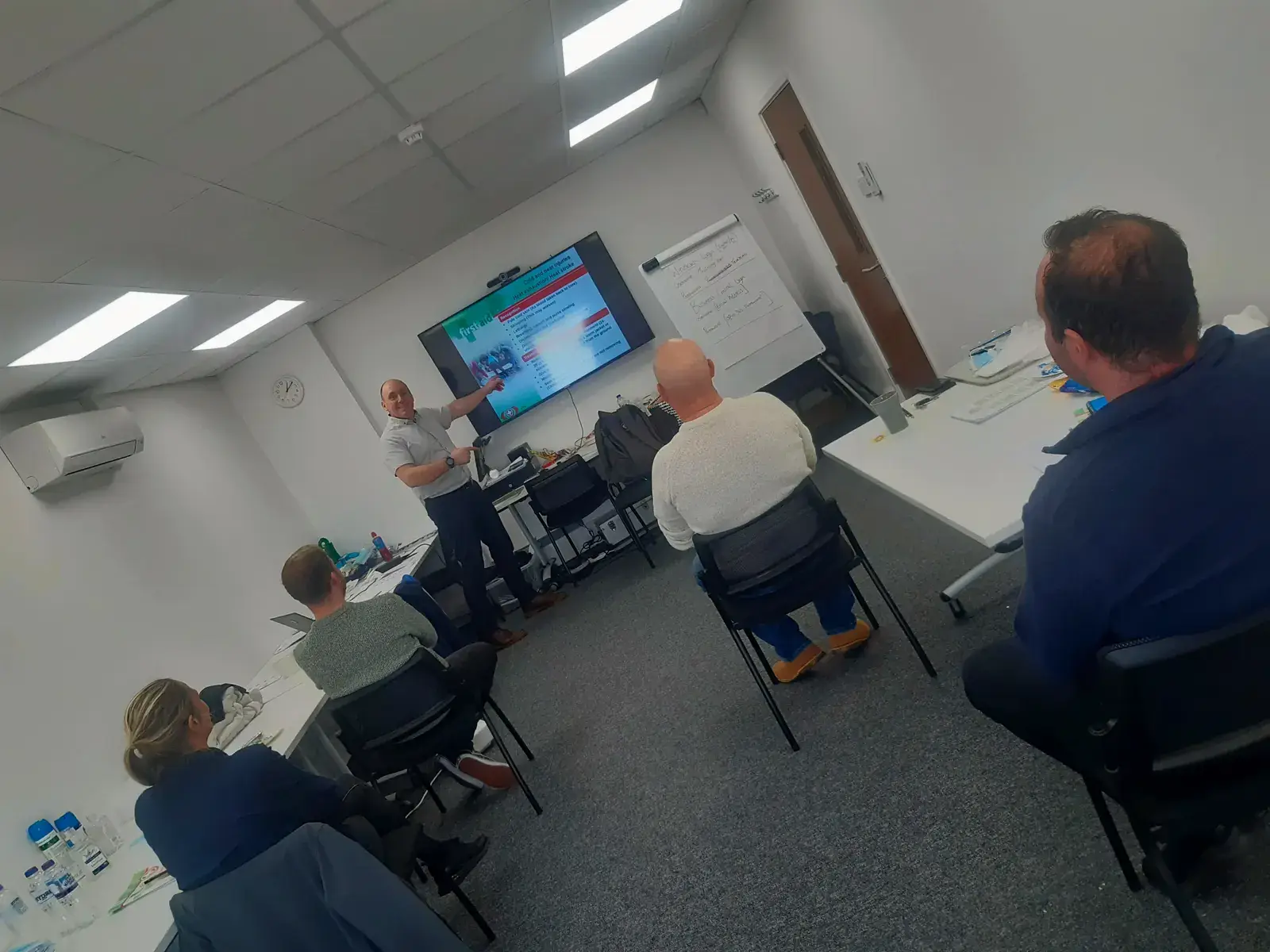
Every employer has a general duty to provide appropriate health and safety training. The Health and Safety at Work etc. Act 1974 requires employers to provide the information, instruction, training and supervision necessary to protect employees and others affected by their work.
The Management of Health and Safety at Work Regulations 1999 go further, requiring adequate health and safety training when employees start work, when they are exposed to new or increased risks, and periodically where appropriate.
Additional legislation covers specific workplace activities and risks. The following are just some examples of areas where employers may need to provide specific training:
- Manual handling: Manual Handling Operations Regulations 1992 (manual handling training).
- Hazardous substances: Control of Substances Hazardous to Health Regulations 2002 (COSHH) (COSHH training).
- Fire safety: Regulatory Reform (Fire Safety) Order 2005, including appropriate employee fire safety training and instruction (fire marshal training).
- Risk assessment: Management of Health and Safety at Work Regulations 1999, including the requirement to carry out suitable and sufficient risk assessments and ensure access to competent health and safety assistance (risk assessment training).
- First aid: Health and Safety (First-Aid) Regulations 1981, requiring employers to provide adequate and appropriate first-aid equipment, facilities and personnel (first aid needs assessment).
These are examples rather than a complete list. The training your organisation needs will depend on its activities, workplace risks, equipment, employees’ responsibilities and the level of competence required.
Where Can You Find Out More?
The Health and Safety Executive (HSE) is the best starting point for understanding your responsibilities. Its guidance provides further information on legislation, workplace risks, specific industries and employer responsibilities. Useful resources include:
Your risk assessments and the nature of your work should guide your training requirements. Remember, providing training is only part of the picture: employers must also ensure people understand the risks, can apply what they have learned and are competent to carry out their work safely.
Not Sure What Training Your Business Needs?
Understanding your legal responsibilities is the starting point. Making sure your people have the knowledge, skills and confidence to work safely is what matters in practice.
Better On Purpose provides practical health and safety training to help businesses develop workplace knowledge, improve awareness and support safer working practices.
Get in Touch