
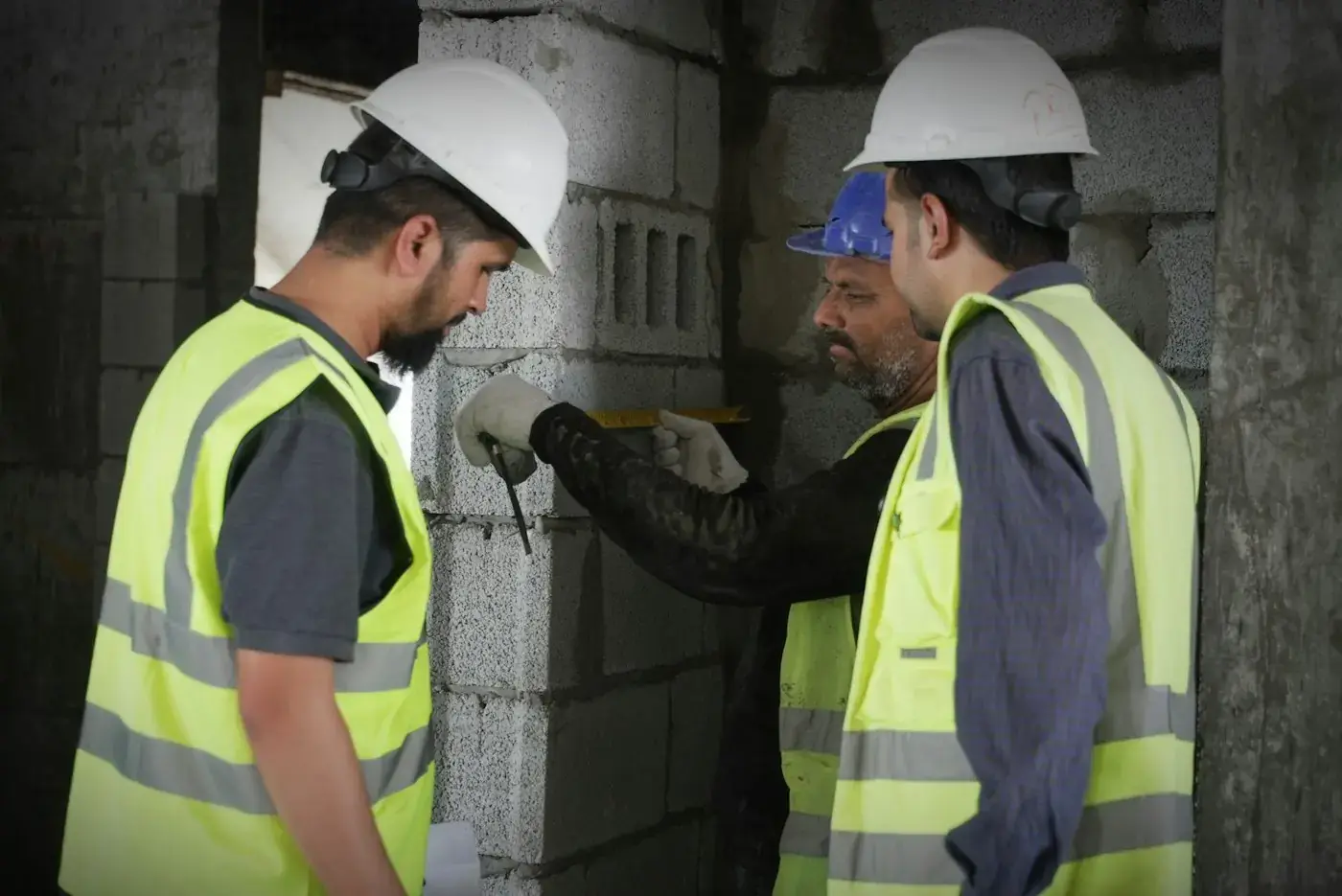
What Is Behavioural Safety?
Behavioural safety is an approach to health and safety that concentrates on what people actually do at work. HSE’s summary of behavioural safety says the many programmes on the market generally involve three things:
- defining safe and unsafe behaviours;
- observing behaviour in the workplace, by managers, by peers, or both;
- feedback and reinforcement, from on-the-spot conversations to general data, so safe behaviour is reinforced and unsafe behaviour is challenged.
You’ll also see it called behaviour based safety (BBS) or behaviour modification. The idea is attractive because it seems to go straight to the point: if people behaved safely, there would be fewer accidents. HSE notes that it is commonly used because a significant number of accidents are reportedly caused by inappropriate behaviour, and because it can be a good vehicle for management and workforce participation.
The catch, as the rest of this guide explains, is that behaviour doesn’t come from nowhere. People behave the way the job, the equipment, the pressure and the managers lead them to. That’s why HSE puts behavioural safety inside a bigger subject: safety culture.
What Is Safety Culture?
HSE’s page on organisational culture gives the simplest definition you’ll find: culture is “the way we do things around here”. It forms the context within which people judge whether their behaviour is appropriate. Safety culture is the part of that concerned with health and safety.
HSE makes two points every manager should hear. First, an organisation’s culture can have as big an influence on safety outcomes as its safety management system. Second, while many companies use “safety culture” to mean whether employees comply with rules, HSE finds that “the culture and style of management is even more significant”, for example “a natural, unconscious bias for production over safety, or a tendency to focus on the short-term and being highly reactive”.
According to HSE, the largest influences on safety culture are:
- management commitment and style;
- employee involvement;
- training and competence;
- communication;
- compliance with procedures;
- organisational learning.
Notice where workers’ behaviour sits on that list: it’s an outcome of the others more than a cause. HSE sums it up: “Success normally comes from good leadership, good worker involvement and good communications.”
Compliance or Commitment: What’s the Difference?
Every organisation needs compliance. The Health and Safety at Work Act 1974 sets duties for employers and employees, and rules exist for good reasons. But compliance on its own is fragile. It depends on someone checking, and it tends to fail exactly when it matters: on the night shift, at the end of a long week, when the job is running late.
Commitment is different. People work safely because they understand the risk, had a say in how the job is done, and trust that if they raise a problem something will happen. You can see the difference in small things:
| Compliance looks like | Commitment looks like |
|---|---|
| Hard hats on when the manager walks past | Hard hats on in the far corner of the yard at 6am |
| Near misses go unreported in case of trouble | People report their own mistakes because they know it leads to a fix |
| “Safety slows us down” | “If it’s not safe, we stop” |
| Rules written by head office | Rules written with the people who do the job |
| Toolbox talks read from a sheet | Toolbox talks where the team does most of the talking |
HSE’s own advice on making a behavioural programme succeed points the same way: commitment from management matters, and “involvement is better”.

Does Behavioural Safety Work? What HSE Says
HSE’s guidance on behavioural safety approaches is unusually frank. It sets out real advantages:
- people discuss safety in the workplace and learn to communicate constructively;
- managers become more visible, and learn to observe and act promptly on unsafe acts;
- employees are engaged in safety;
- it can provide some leading indicators, and can change behaviour.
It is just as clear about the pitfalls. Programmes need a big, disciplined effort and “very often” fail through lack of real commitment or discipline. Off-the-peg or consultant-led programmes can fail because they fit the local style and culture poorly. They tend to focus on easy, intuitive issues and ignore low-probability, high-consequence risks: HSE’s phrase is “boots not leaks”. They “can shift onus away from management onto individual”, don’t address the significant effects of management behaviour, and can feel like “big brother” or a blame culture. And a failed programme leaves you in a worse position than when you started.
HSE’s summary is balanced: behavioural safety is “a useful addition to the toolkit for occupational safety, but limited benefits for the control of major hazards”, it “must address engineering and systems as well”, it should include workforce and management behaviours, and its effectiveness “largely depends on existing culture”. Its advice for companies thinking about a programme includes:
- be sure it is really what you need right now;
- find out from employees whether the signals they get from management about safety are the first issue to address;
- make the system your own, in style and language;
- pilot it, and roll it out only when confident of success;
- use it as a dialogue, which means listening to employees;
- make sure participants focus on the root causes of behaviour.
And among the “don’ts”: don’t bother at all unless you’re confident you already have a strong safety management system and a safe workplace.
In short: if your equipment is poorly maintained, your procedures are unworkable and your managers reward speed over safety, a behaviour programme aimed at the shop floor is aimed at the wrong people.
Why Do People Break Safety Rules?
HSE’s work on human factors gives a better answer than “carelessness”. It defines human factors as the “environmental, organisational and job factors, and human and individual characteristics, which influence behaviour at work in a way which can affect health and safety”. In plain terms: the job, the person and the organisation all shape what people do, and you can’t fix one in isolation.
HSE’s guidance on managing human failures splits failures into two main types:
- Errors, which are unintended. These include slips and lapses (pressing the wrong button, missing a step in a familiar routine), which HSE says “cannot be eliminated by training” but can be reduced by better design; and mistakes, where people do the wrong thing believing it to be right, often because they were never properly trained.
- Violations, which are deliberate departures from a rule. HSE says these are “rarely malicious” and usually come from an intention to get the job done as efficiently as possible, often where the equipment or task is poorly designed or maintained. Peer pressure, unworkable rules and incomplete understanding all play a part.
That changes what a manager should do. A poster won’t stop a slip of attention: redesign the task. Training will help with mistakes. For violations, HSE suggests designing them out, making rules relevant and practical, explaining the reason behind them and involving the workforce in drawing them up, which “increases their acceptance”. Every time, the question is why it made sense to the person at the time.
What Is Leadership’s Role in Safety Culture?
HSE’s guidance on leadership starts with a simple statement: “Effective health and safety performance comes from the top.” Directors and boards have both collective and individual responsibility, and HSE asks them to examine their own behaviour against its guidance and change what they do where they fall short. Chief executives should lead by example and send clear messages that risks to workers must be managed.
The essential principles HSE sets out are:
- strong and active leadership from the top: visible, active commitment, effective “downward” communication, and health and safety built into business decisions;
- worker involvement: engaging the workforce, effective “upward” communication, and high-quality training;
- assessment and review: identifying and managing risks, getting competent advice, and monitoring, reporting and reviewing performance.
HSE’s culture guidance adds a warning that applies to every safety culture project: “One common mistake is to focus on the staff levels below the manager who initiates the work. Senior managers should be prepared to have their own perceptions and behaviours examined and challenged.”
For a line manager, leadership is mostly about small, repeated signals. What you ask about first in a meeting. Whether you stop a job that’s running late but unsafe. How you react when someone reports a near miss that makes your team look bad. People watch those moments far more closely than they read the policy. HSE’s introduction to human factors makes the same point: new starters quickly learn what’s normal from their colleagues and supervisors, and work groups respond to the messages managers send, “though not always in the way intended”.
Photo: Josh Marty on Unsplash
How to Build a Positive Safety Culture: Practical Steps
- Measure where you are. HSE suggests starting with a safety climate survey, or more informally by talking to your workforce, proportionate to your risks. Then act on what you find and feed the results back, or the next survey will be ignored.
- Fix the system before the people. Look at equipment, workload, procedures and staffing first. Your risk assessments should consider where human failure can happen and what makes it more likely.
- Involve people in the rules. Write procedures with the people who do the work. HSE lists ways to involve employees directly: one-to-one conversations, walkabouts, health and safety as a standing item at team meetings, toolbox talks and work groups.
- Talk about safety little and often. A two-minute safety moment at the start of every meeting does more over a year than an annual campaign.
- Make reporting safe. HSE’s guide to investigating incidents warns that blaming individuals is counter-productive and asks for “a fair and just system where people are held to account for their behaviour, without being unduly blamed”.
- Learn, don’t just record. HSE describes learning organisations as ones that investigate near misses and incidents properly, share the lessons widely and act on them quickly, and that “amplify weak signals” from the frontline. Its list of barriers includes scapegoating and not listening to bad news.
- Train managers as well as workers. Supervisors set the tone. Make sure they understand their duties, can assess risk and know how to have a safety conversation without it becoming a telling-off.
- Visible leadership. Senior people on the floor, asking questions and acting on the answers. HSE’s leadership checklist asks boards how well they know “what is happening on the ground”.
- Watch leading indicators, not just injuries. Near miss reports, actions closed, safety conversations held and training completed tell you about the future. Injury rates tell you about the past, and low numbers can hide under-reporting.
- Be patient. HSE says a culture change process “can take several years”. Pick a few specific issues, such as safety leadership, competence or procedures, which HSE notes organisations have had very positive results from focusing on.
When a Behaviour Based Safety Programme Makes Sense
A structured programme of observations and feedback can work well once the basics are in place: sound risk assessments, maintained equipment, workable procedures and managers who already act on what they’re told. If you go ahead, follow HSE’s advice: develop it in-house where you can, make sure it fits your culture, involve managers as observers as well as the observed, and treat every observation as the start of a conversation about root causes, not a score.
If you’re not there yet, start with the steps above. They cost less, and they make any future programme far more likely to succeed.
What to Do Next
This week, ask your team one question and listen to the answers: “Which safety rule here is hardest to follow, and why?” Write down what you hear and fix one thing before the end of the month. That single act tells people more about your safety culture than any poster.
Then look at who sets the tone. If your managers and supervisors need the knowledge and confidence to lead on safety, our health and safety training, including IOSH Managing Safely and IOSH Working Safely, runs live online, as e-learning or at your premises.