
What Is TILE in Manual Handling?
TILE is a four-letter memory aid for assessing manual handling risk: Task, Individual, Load and Environment. Before anyone lifts, carries, pushes or pulls something, you run through each letter and ask what could cause an injury.
It isn’t a separate rule. It’s a shortcut to the factors listed in Schedule 1 of the Manual Handling Operations Regulations 1992, which every manual handling assessment has to consider. The law tells you to look at these things; TILE helps people remember them on a busy shift.
TILE is used at two levels. Managers use it to structure a written risk assessment. Workers use it as a quick mental check before a lift. Both matter, which is why it sits at the heart of most manual handling training.
What Does Each Letter of TILE Mean?
T: Task
The task is what the body has to do. Holding a load away from the trunk is one of the biggest risk factors: HSE’s guidance (L23) notes that, as a rough guide, holding a load at arm’s length puts about five times the stress on the lower back as holding the same load very close to the body. Twisting, stooping and reaching above shoulder height all add risk too.
Look at distance and repetition as well. Long carries, lifts from the floor, frequent or prolonged effort, too few rest breaks and a pace set by a machine or conveyor all push the risk up. So does heavy pushing or pulling, or a load that could move suddenly.
I: Individual
The individual is the person doing the handling. Some tasks need unusual strength or height, which most people won’t have. Others could put someone at particular risk, such as a worker who is pregnant, has a health condition or is returning from an injury.
The Regulations also ask whether the task needs special information or training for it to be done safely. If it does, make sure the person has had it before they take the task on.
L: Load
The load is the object (or person, or animal) being moved. Weight matters, but so does shape. A light load can still be risky if it’s bulky, hard to grip, unstable, or has contents that shift, like a half-full drum of liquid. Sharp edges and hot surfaces count too.
Remember that employers must give workers general indications and, where reasonably practicable, precise information on the weight of loads, and which side is heaviest if the weight is off-centre.
E: Environment
The environment is the space around the task. Cramped areas force bad posture. Uneven, slippery or unstable floors and changes in the level of floors or work surfaces make a lift riskier. Extremes of heat, cold or humidity, poor ventilation or gusts of wind, and poor lighting all affect how safely someone can handle a load.
What Do TILEO and LITE Mean?
You’ll see two variants, and both are accurate.
- TILEO adds O for Other factors. This matches the fifth entry in Schedule 1: is movement or posture hindered by personal protective equipment or by clothing? Think of gloves that reduce grip, or a coverall that restricts bending.
- LITE uses the same four factors in a different order: Load, Individual, Task, Environment. It means exactly the same thing.
Pick one and use it consistently, so your assessments and your toolbox talks speak the same language.
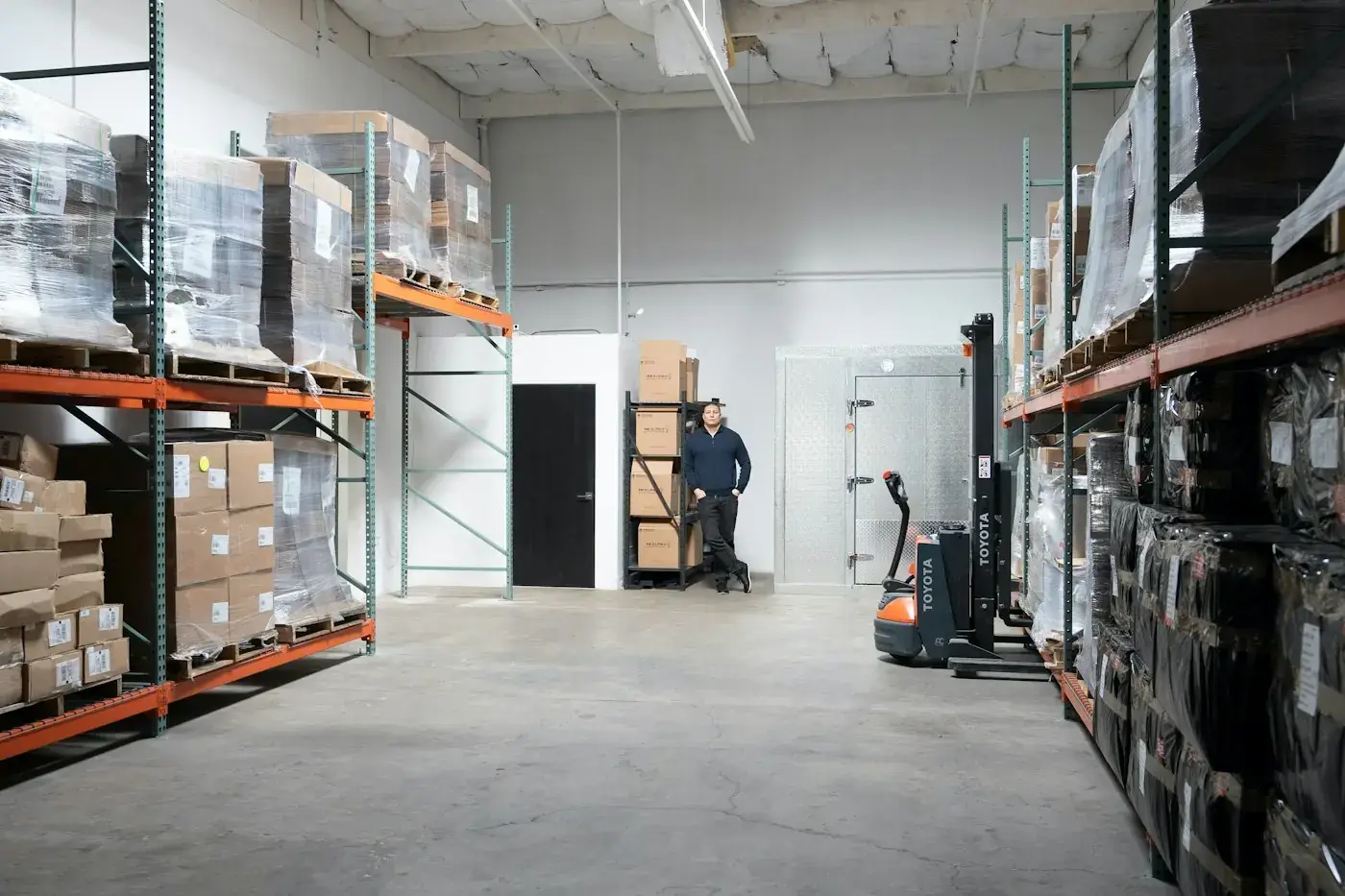
Photo: Andy Sartori on Unsplash
A Worked Example: Moving Boxes of Paper
Here’s TILE applied to a common office job: moving a delivery of paper (five boxes, each roughly 12.5kg) from reception to a stockroom on the first floor.
| Factor | What we found | What we changed |
|---|---|---|
| Task | Boxes lifted from the floor, carried about 30 metres and up a flight of stairs. Each person does several trips in a row. | Ask the supplier to deliver to the stockroom, or use a trolley and the lift. Store boxes on a low shelf, not the floor. |
| Individual | One regular handler has a recent back injury. No one has had manual handling training in years. | Reallocate the task while they recover. Book refresher training for the team. |
| Load | Boxes are dense for their size, with weak hand-holds that tear. | Split into smaller packs or open the box and carry reams in batches. |
| Environment | Narrow corridor with a fire door to hold open; the stairs are poorly lit. | Ask a colleague to hold the fire door rather than wedging it open. Fix the stair lighting. |
| Other | None identified. | None. |
Notice that most of the controls avoid or reduce the lift rather than relying on technique. That follows the order the Regulations set: avoid first, then assess, then reduce. The same thinking is behind the 5 steps to risk assessment.
What Are HSE’s Safe Lifting Steps?
Once TILE shows a lift is reasonable, technique matters. These are the main points of HSE’s good handling technique:
- Think before you lift. Plan the lift: where is the load going, could a handling aid help, and do you need help? Remove obstructions. For a long lift, such as floor to shoulder height, think about resting the load mid-way to change your grip.
- Keep the load close to your waist for as long as possible while lifting, with the heaviest side next to your body. If you can’t get close, slide the load towards you first.
- Adopt a stable position. Feet apart, with one leg in front of the other (alongside the load if it’s on the ground), and be ready to move your feet during the lift.
- Get a good hold. Hug the load as close to your body as you can.
- Start in a good posture. A slight bend of the back, hips and knees is better than fully bending the back or fully squatting.
- Don’t bend your back further as you lift. This can happen if your legs start to straighten before you begin to raise the load.
- Avoid twisting or leaning sideways, especially while your back is bent. Keep your shoulders level and facing the same way as your hips, and turn with your feet.
- Keep your head up once you have a secure hold.
- Move smoothly. Don’t jerk or snatch the load.
- Don’t lift more than you can easily manage. There’s a difference between what people can lift and what they can safely lift.
- Put it down, then adjust. If you need to position it precisely, set it down first and then slide it into place.
Technique helps, but it’s the last line of defence. If TILE flags a serious problem, fix the task, the load or the environment before you ask people to lift more carefully.
Why TILE Works
TILE works because it’s quick enough to use before every lift and thorough enough to structure a proper assessment. It also gets people talking: the person doing the job often knows that the floor is slippery on Mondays or that one product always splits.
Employers have a legal duty to assess hazardous manual handling and reduce the risk, set out in the 1992 Regulations and the wider Health and Safety at Work Act 1974. TILE is the simplest way to make that duty part of everyday work.
What to Do Next
This week, print the TILE table above and walk one regular handling task with the person who does it. Write down what you find under each letter, and pick one change you can make straight away. Then make sure everyone who handles loads knows how to use TILE: our online manual handling training covers it with a certificate on completion.