
What Is the Difference Between IOSH Managing Safely and Working Safely?
Both are IOSH awareness courses, both need no previous safety experience and both end with an IOSH certificate. The difference is the job the person does.
IOSH Working Safely is for everyone. It’s a one-day course that helps employees understand workplace hazards, make safer decisions and play their part in keeping themselves and their colleagues safe. IOSH describes it as jargon-free, and it deliberately stays away from complicated legislation.
IOSH Managing Safely is for the people in charge. It’s a three-day course for line managers, supervisors and team leaders who are responsible for other people’s day-to-day safety. It covers how to assess and control risks, what the law expects of a manager, how to investigate incidents and how to measure whether safety is improving.
A simple test: if the person decides how work gets done, or supervises others doing it, they need IOSH Managing Safely. If they mainly do the work themselves, IOSH Working Safely is the right course. For the wider picture of who IOSH is and the rest of its range, see our guide to what IOSH is.
What Does IOSH Working Safely Cover?
IOSH sets out five modules for Working Safely:
- Introducing working safely: why safety and health matter, and the benefits for people, organisations and society.
- Defining hazards and risks: the difference between the two, and how to spot common workplace hazards.
- Identifying common hazards: the range of hazards found at work and how they cause harm.
- Improving safety performance: practical ways each person can contribute and support safe behaviour.
- Protecting the environment: how work activities affect the environment and how everyone can reduce the impact.
It suits new starters, apprentices, frontline and warehouse teams, office staff and anyone a client or site asks to hold a recognised safety certificate.
What Does IOSH Managing Safely Cover?
Managing Safely goes much deeper, because managers carry more responsibility. The course areas listed on iosh.com are assessing risks, controlling risks, understanding responsibilities, understanding hazards, investigating incidents and measuring performance.
In practice that means a manager learns to identify hazards and judge the likelihood and severity of harm, choose controls that work, understand their legal obligations, find out what went wrong after an incident and use monitoring to track performance. Risk assessment sits at the centre of it, following the same logic as HSE’s 5 steps to risk assessment.

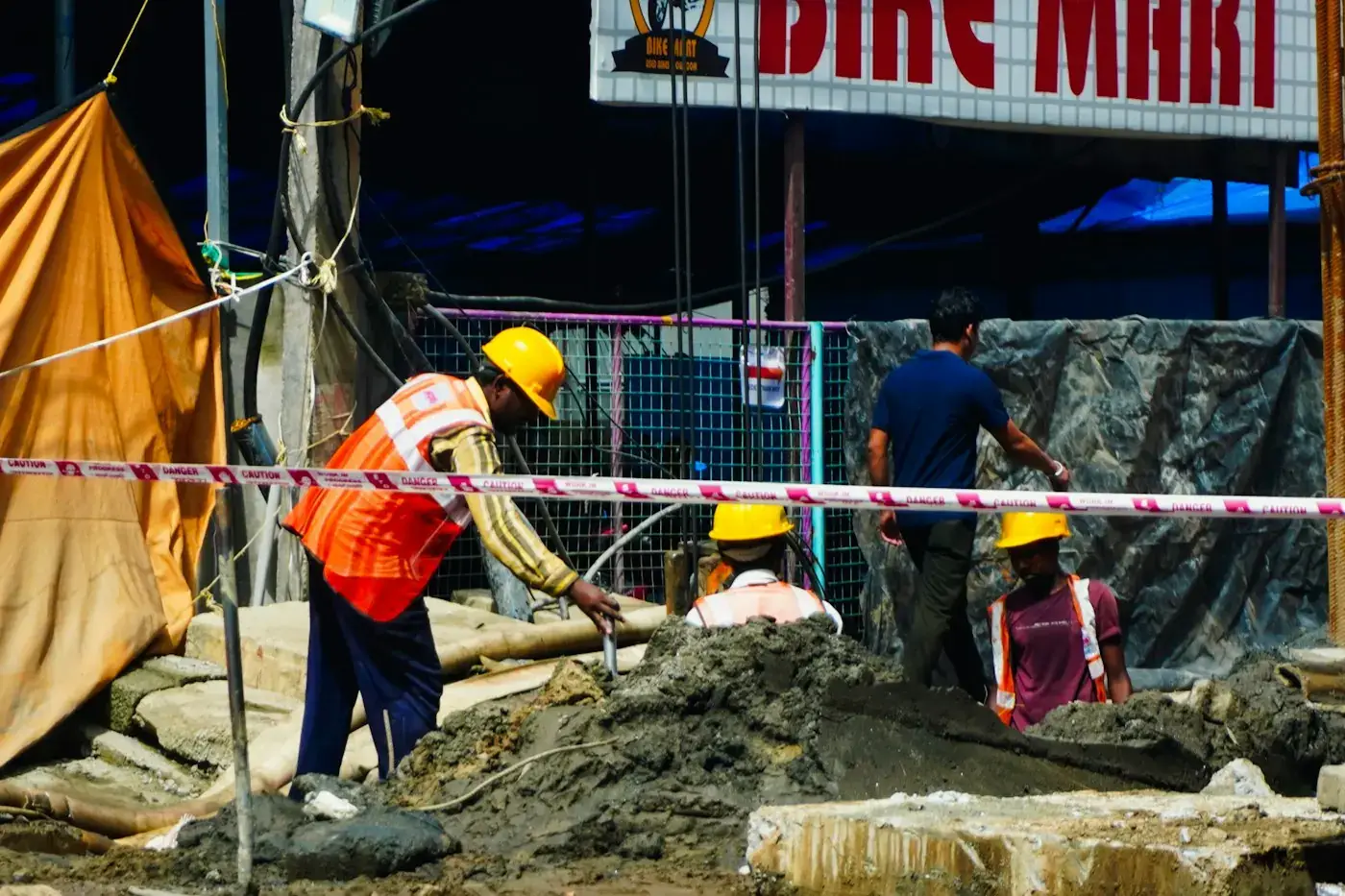
Photo: Eugene Chystiakov on Unsplash
Which IOSH Course Should You Choose?
Choose by responsibility, not job title. A “coordinator” who allocates work to a team is supervising; a “senior technician” who works alone may not be.
| If the person… | Choose |
|---|---|
| Works in any role and needs the safety basics | IOSH Working Safely |
| Is a new starter or apprentice | IOSH Working Safely |
| Supervises a shift, team or site | IOSH Managing Safely |
| Manages people, or owns a business and manages staff | IOSH Managing Safely |
| Already holds Managing Safely and wants to update it | IOSH Managing Safely Refresher |
| Sets strategy or budgets at board level | IOSH Leading Safely |
If a client contract or tender names a specific IOSH course, follow what it says. Some sites ask for Working Safely as a minimum for everyone on site, and Managing Safely for whoever is in charge.
Can You Do Both IOSH Working Safely and Managing Safely?
Yes, and there’s nothing to stop one person holding both. But you don’t need Working Safely first. IOSH says Managing Safely needs no prior safety experience, and the three-day course covers the ground Working Safely does and much more.
The more common situation is an employee who did Working Safely, then gets promoted to supervisor. At that point Working Safely is no longer enough for the role, and the right move is Managing Safely, not a repeat of the one-day course.
How Do You Train a Mixed Team?
Most organisations need both courses. The usual pattern is simple: managers and supervisors do Managing Safely, and everyone else does Working Safely. That way the whole workforce shares the same language about hazards and risk, and managers have the extra skills to act on it.
A few practical points help:
- Train the managers first, or at the same time. Staff who come back from Working Safely and start reporting hazards need a manager who knows what to do with those reports.
- Run each course for your own team where you can. IOSH says most awareness courses can be delivered on-site for groups of six or more, which lets the trainer use examples from your own workplace.
- Keep a simple training record. Note who holds which certificate and when they got it, so you know who is due a refresher or the next course up.
Can You Do Them Online?
IOSH lists in-person, online and hybrid delivery for both courses, and each approved provider decides which formats it offers. The certificate is the same whichever way the course is delivered.
We run both IOSH Working Safely and IOSH Managing Safely live online in a virtual classroom, with a trainer and real discussion, or on-site at your premises anywhere in the UK. For managers in particular, a live trainer makes a difference: the discussion about real situations in their own teams is often where the learning sticks.
How Are the Courses Assessed?
Delegates must pass the course assessment to receive an IOSH certificate. IOSH’s course pages don’t set out the assessment format, so ask your provider to explain how each course is assessed before you book. A good provider will tell you exactly what to expect on day one.
To confirm: iosh.com does not state how Working Safely or Managing Safely are assessed. Zita to confirm the current formats from our ATP course materials before we describe them here.Every genuine certificate can be checked with IOSH’s online certificate verifier. Certificates don’t expire, though IOSH recommends refresher training every three to five years; our guide to how long IOSH lasts explains validity and the Managing Safely Refresher.
What to Do Next
List everyone in your organisation and mark who manages or supervises others. Those people are your Managing Safely group; everyone else who needs a recognised safety certificate is your Working Safely group. Note anyone who already holds a certificate, and when they got it.
Then send us the numbers. We’ll suggest the right mix, live online or on-site, and come back within one working day. Start with IOSH Managing Safely for your managers, or compare both on our IOSH courses page.